Our Story
A Houston-based nonprofit dedicated to transforming urban landscapes through native ecosystem restoration โ and giving back to the city that gave us so much.
M.S. Electrical Engineering, University of Houston
30+ years of global technology leadership across industries and continents
Houston resident for over 30 years
The Founder's Story
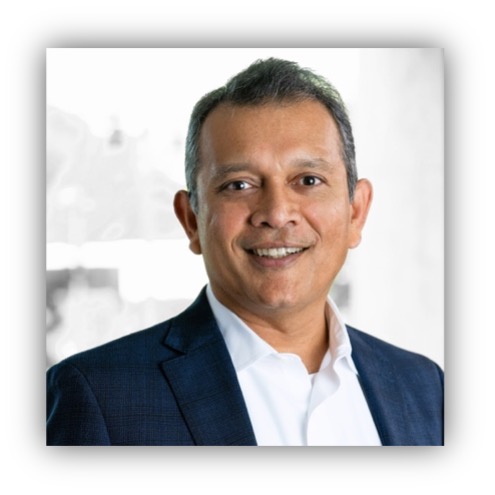
Growing up in Hubli, India, Raj Dharamshi was 15 years old when he organized his community's first tree-planting initiative. No nonprofit, no funding model, no scientific methodology โ just a teenager who understood instinctively that planting trees was worth doing.
That early experience planted a seed that would take decades to fully bloom. Raj went on to become a technology and sustainability leader with over 30 years of global experience โ building digital products and organizations at the intersection of technology, business transformation, and the energy transition. He earned his M.S. from the University of Houston and has led high-performing teams across industries and continents.
But the trees always stayed with him.
Having called Houston home for more than 30 years, Raj has felt the city's generosity โ its opportunities, its communities, its friendships. And he has watched, with growing concern, as Houston's flooding worsens, its heat islands intensify, and its biodiversity declines. The city that gave him so much is struggling with environmental challenges that technology alone cannot solve.
Through the Urban Green Initiative, Raj is giving back โ combining the systematic thinking of a technology leader with the ecological passion of that 15-year-old in India. He is working with local governments, universities, and civic organizations to introduce Miyawaki urban forests across the Greater Houston area, aligning ecological restoration with climate resilience and community well-being.
The method is Japanese. The science is global. But the mission is deeply, personally Houston.
Our Mission
We pursue this mission through three interlocking commitments.
We restore native ecosystems using the Miyawaki method โ prioritizing species, sites, and communities where ecological need is greatest. Science guides every planting decision.
We prioritize frontline communities โ neighborhoods with the least tree cover, greatest heat vulnerability, and highest flood exposure โ ensuring environmental benefits reach those who need them most.
Every forest is planted with, not for, the surrounding community. Volunteer planting days, school partnerships, and ongoing stewardship programs ensure communities own their forests.
Technical Guidance
Our work is guided by leading technical experts in ecology, flood management, and urban forestry across the Houston region.
Vision 2035
Establishing Urban Green Initiative, publishing the Houston Miyawaki Forest Implementation Guide, engaging government and institutional partners, and identifying the first 10 pilot sites across diverse Houston neighborhoods and site types.
Planting pilot forests across bayou edges, school campuses, retention pond margins, and corporate campuses. Hosting volunteer planting days. Beginning to document growth, biodiversity recovery, and stormwater data.
First pilot forests reaching self-sustaining status (Year 3). Publishing measurable impact data: temperature reduction, stormwater capture, species recovery. Using this evidence to secure larger institutional and government partnerships.
Scaling to hundreds of sites across Greater Houston. Establishing a connected network of urban forests that creates wildlife corridors across the city. Demonstrating a model that other Texas cities โ and cities nationally โ can replicate.
For Media & Partners
Journalists, partners, and civic leaders โ everything you need to cover or collaborate with Urban Green Initiative.
Our full proposal for Houston's urban forest future โ the science, the case studies, the funding pathways, and the implementation roadmap. Authored by Raj Dharamshi, September 2025.
Request PDF โA comprehensive technical guide for government officials, urban planners, and city departments โ covering site selection, species catalogs, implementation timelines, and cost models.
Request Guide โRaj Dharamshi is available for interviews on urban forestry, climate resilience, nature-based solutions, and Houston's environmental challenges. Contact us to schedule.
Contact for Media โRaj speaks on urban ecology, the Miyawaki method, Houston climate resilience, and the intersection of technology and environmental restoration. Available for conferences and civic events.
Invite Raj to Speak โ