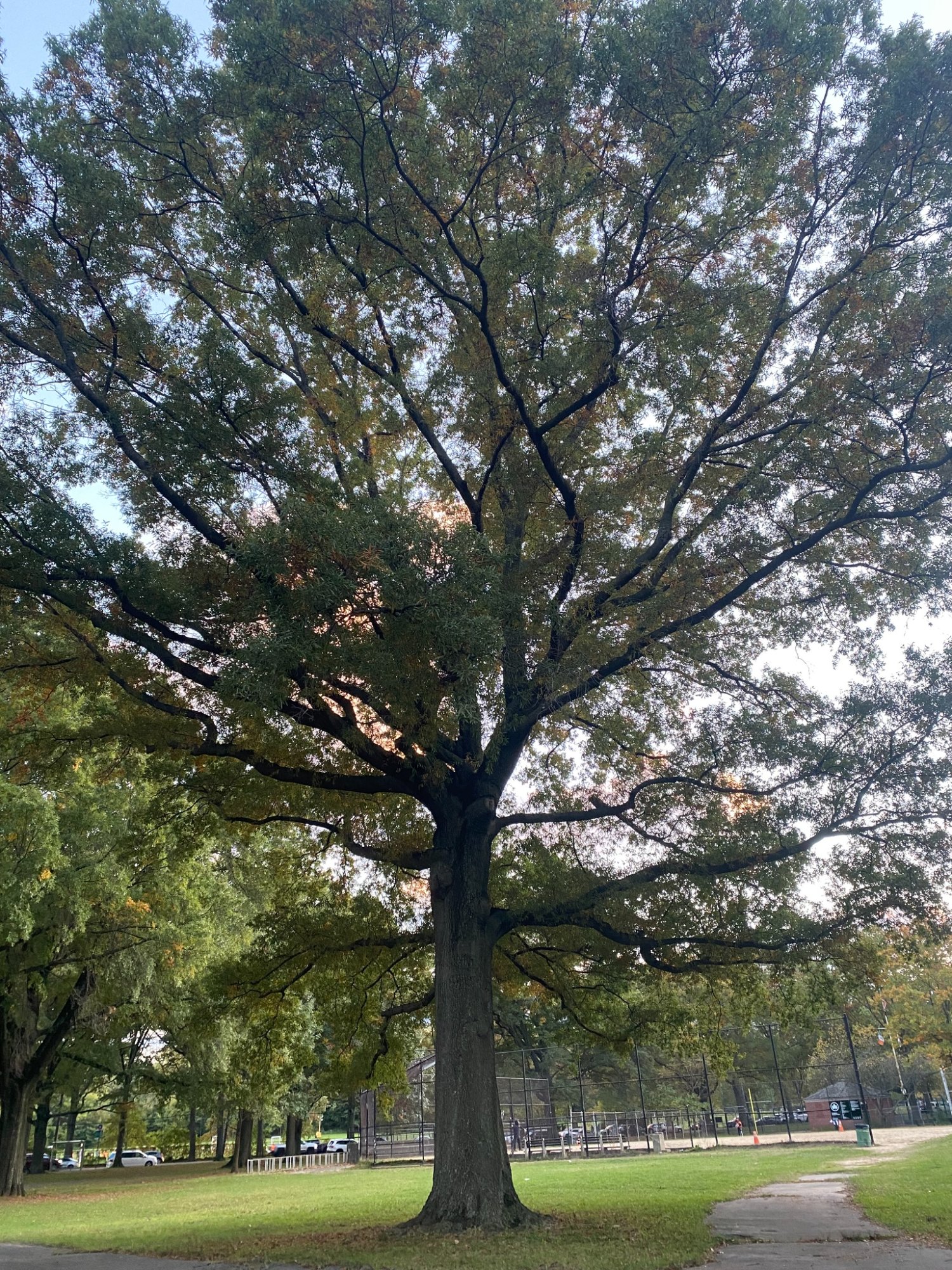
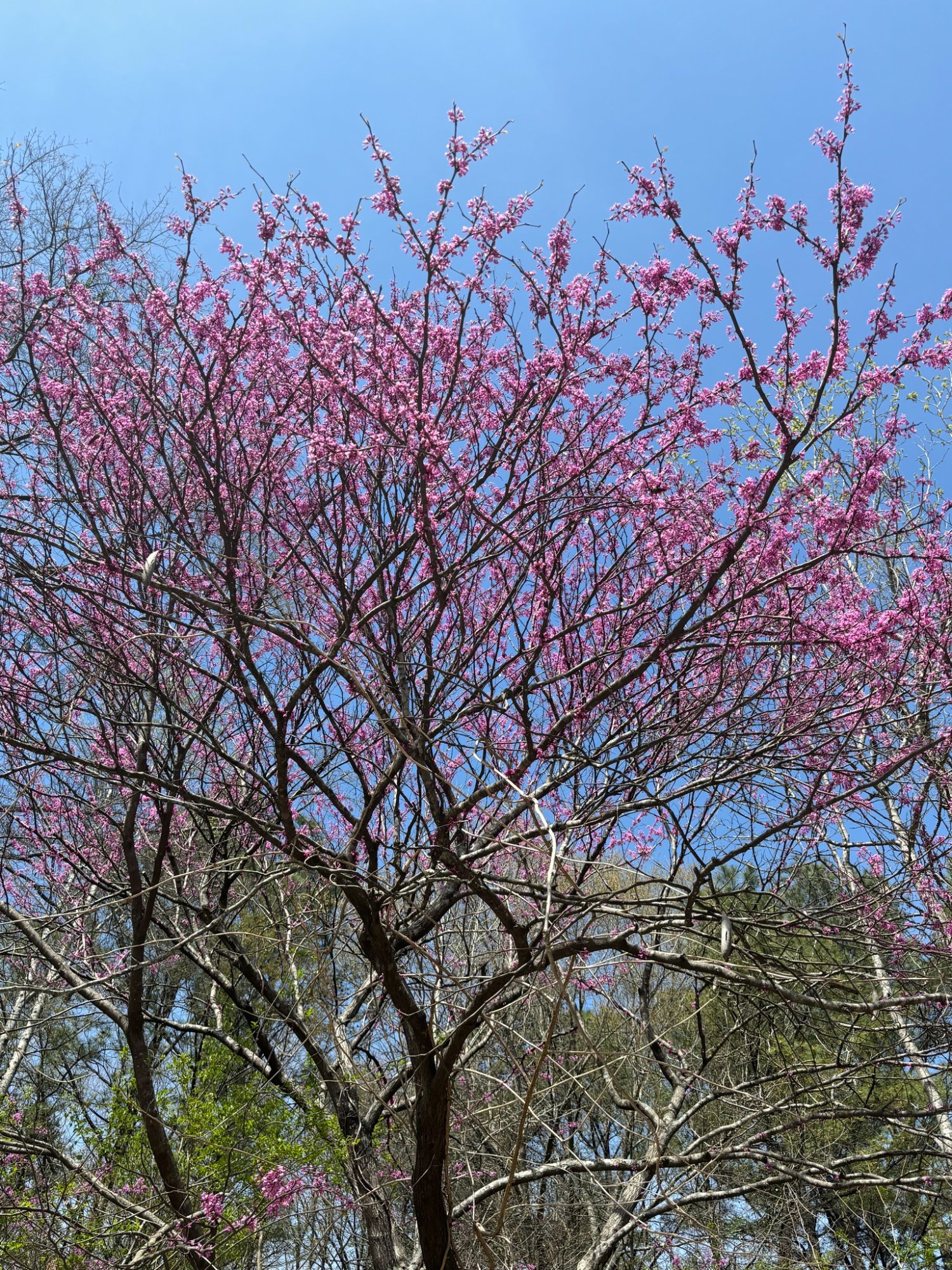
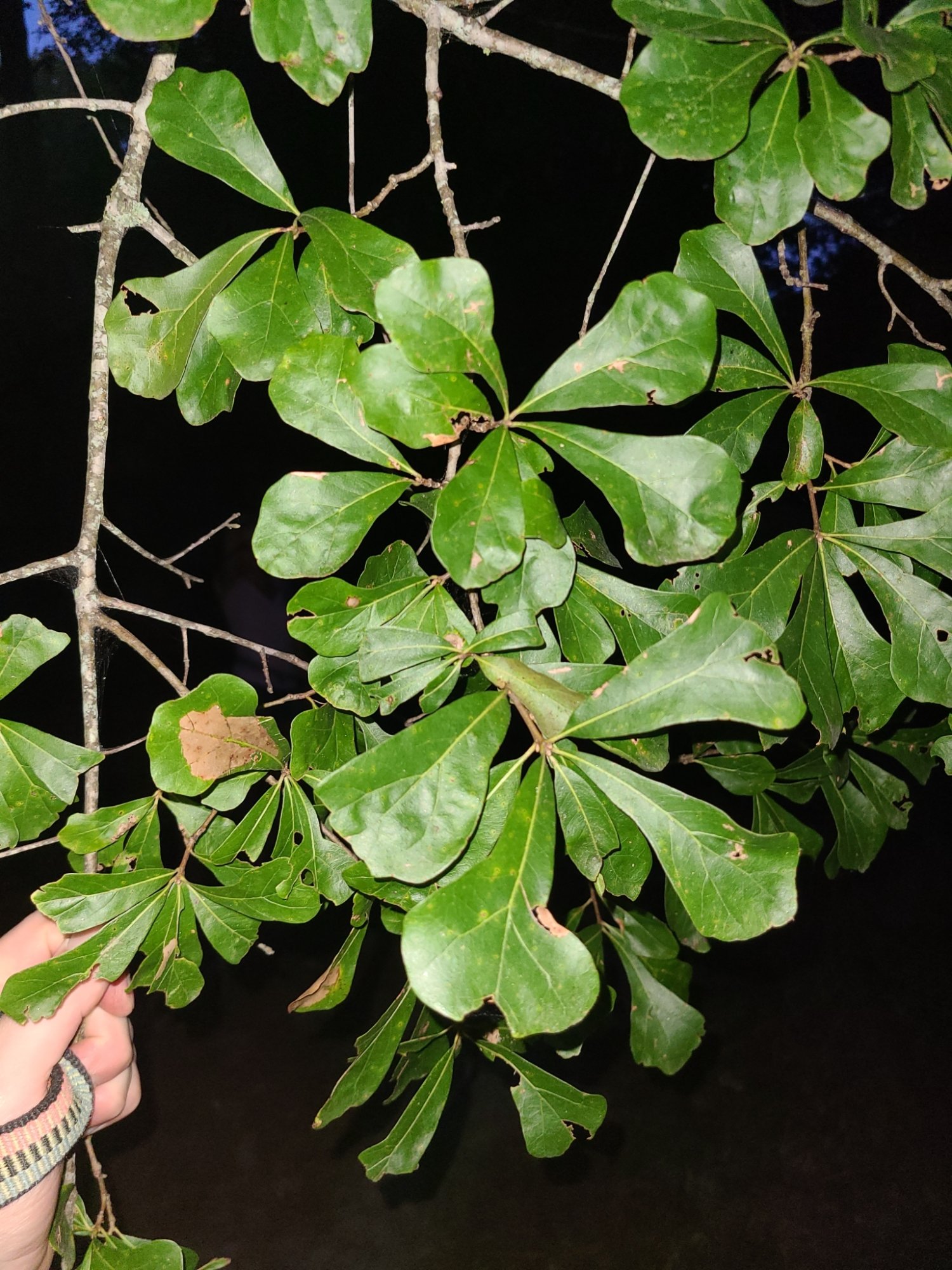
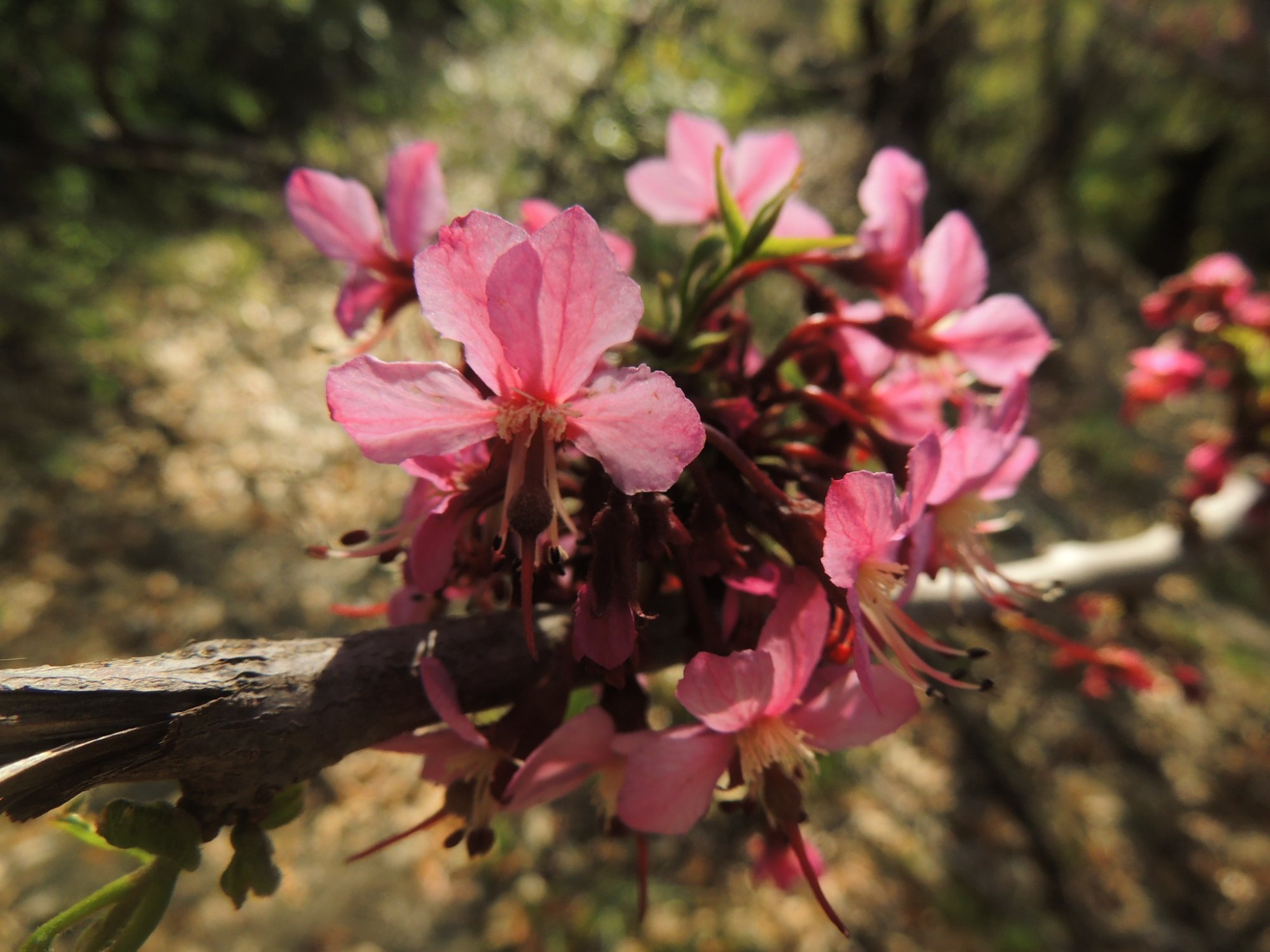
We plant dense, native Miyawaki forests on Houston's underused land — transforming vacant lots and retention ponds into thriving ecosystems that cool, filter, and connect our communities.
Our mission: 1,000+ acres of native urban forest across Greater Houston by 2035.
What We Do
Using the Miyawaki method, we plant 3–5 native saplings per square meter on small urban plots — creating dense, layered ecosystems that self-sustain within 3 years.
Every forest begins with a volunteer planting day. We connect schools, civic groups, corporations, and neighborhoods through the shared act of growing something lasting.
We track canopy growth, biodiversity recovery, carbon sequestration, and stormwater capture — making the case for scaling Miyawaki forests across Houston.
Houston's Challenge
Houston has the land, the need, and the community will. What it needs is a scalable, proven solution.
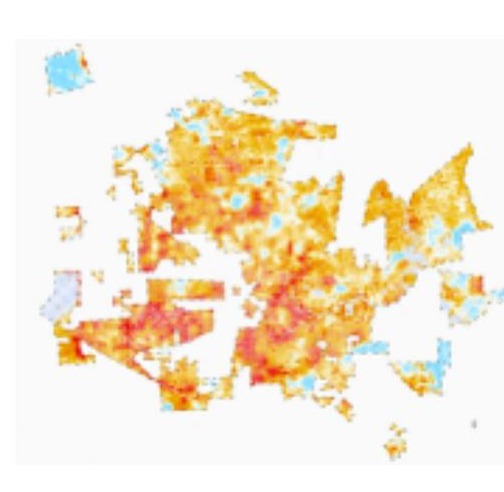
Pavement and concrete raise local temperatures by up to 14°F in some neighborhoods. Miyawaki forests reduce surrounding temperatures 5–8°F within 3 years.
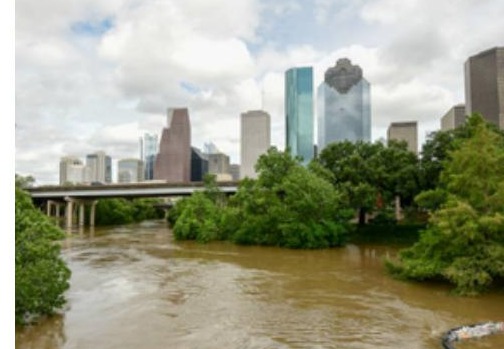
Urban forests reduce stormwater runoff by 80–90% compared to hardscape — directly supporting Houston's resilience to hurricanes and flash floods.
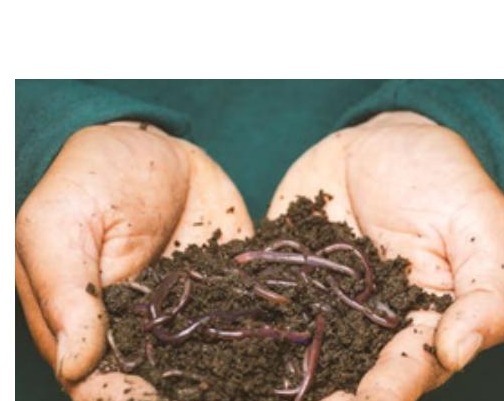
Native trees and plants have been replaced by invasive species and manicured lawns. Our forests restore habitat for birds, pollinators, and wildlife.
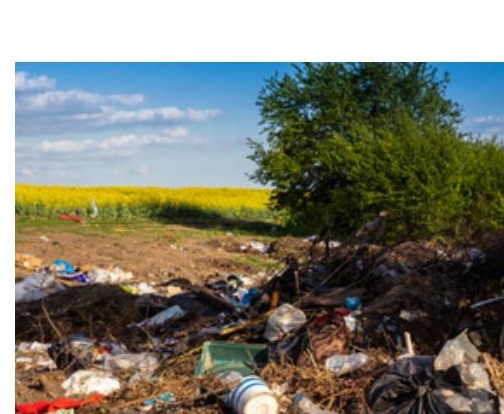
Over 5,000 acres of vacant lots, retention ponds, and roadside verges sit idle — costing the city in maintenance while providing zero ecological benefit.
The Miyawaki Method
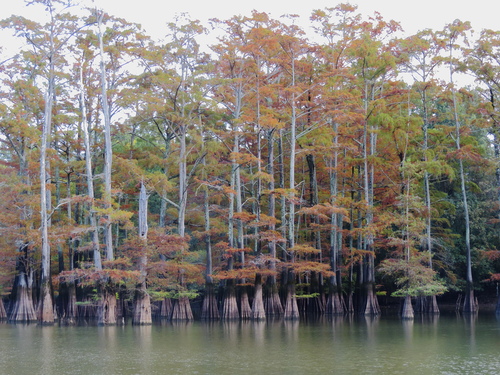
Developed by Japanese botanist Dr. Akira Miyawaki, this proven method plants diverse native species densely — triggering rapid succession and creating a self-sustaining ecosystem in years, not decades.
Decompaction, compost amendment, and native microorganism activation.
3–5 native saplings per square meter across canopy, sub-canopy, and shrub layers.
No pesticides, no fertilizers — natural competition drives rapid, resilient growth.
Where We Plant
From bayou buffers to schoolyards, every underused space is an opportunity.
"Urban forests are living infrastructure — they're nature's technology for cooling, cleaning, and connecting our cities."